Skip to content

Mental training

Performance under pressure can be trained.

Pilots, surgeons and athletes train their minds as systematically as their craft. We do the same with people in IT: focus in a fragmented day, a clear “I can't make it” without conflict and calm during an incident at 2 a.m. Concrete techniques, no motivational talks.

Same situation. Different response.Illustration

Situation

The product manager wants a feature by Friday. You know you won't make it.

Before

“I'll say yes and somehow manage. I don't want to look like I can't handle it.”

→ overtime, bugs and a slip on Friday anyway

After training

“By Friday I can do login, payments on Tuesday. Which matters more to you?”

→ the PM knows in time, clear priorities, no overtime

What IT people come with

Typically we work on things like:

  1. 01

    How to focus when the day is chopped up by meetings and Slack.

  2. 02

    How to say “I can't make it” or “I disagree” without damaging relationships in the team.

  3. 03

    How to build trust in a new team as an external contractor.

  4. 04

    How to handle pressure around deadlines and incidents without burning out after a few months.

What managers come to us with

  • “The senior left after three months.”
  • “Promises, then doesn't deliver.”
  • “Doesn't communicate.”
  • “Needs to handle disagreement with respect.”

These are rarely technical problems. They are mental and behavioural, and those can be trained.

Formats

An individual, or the whole team.

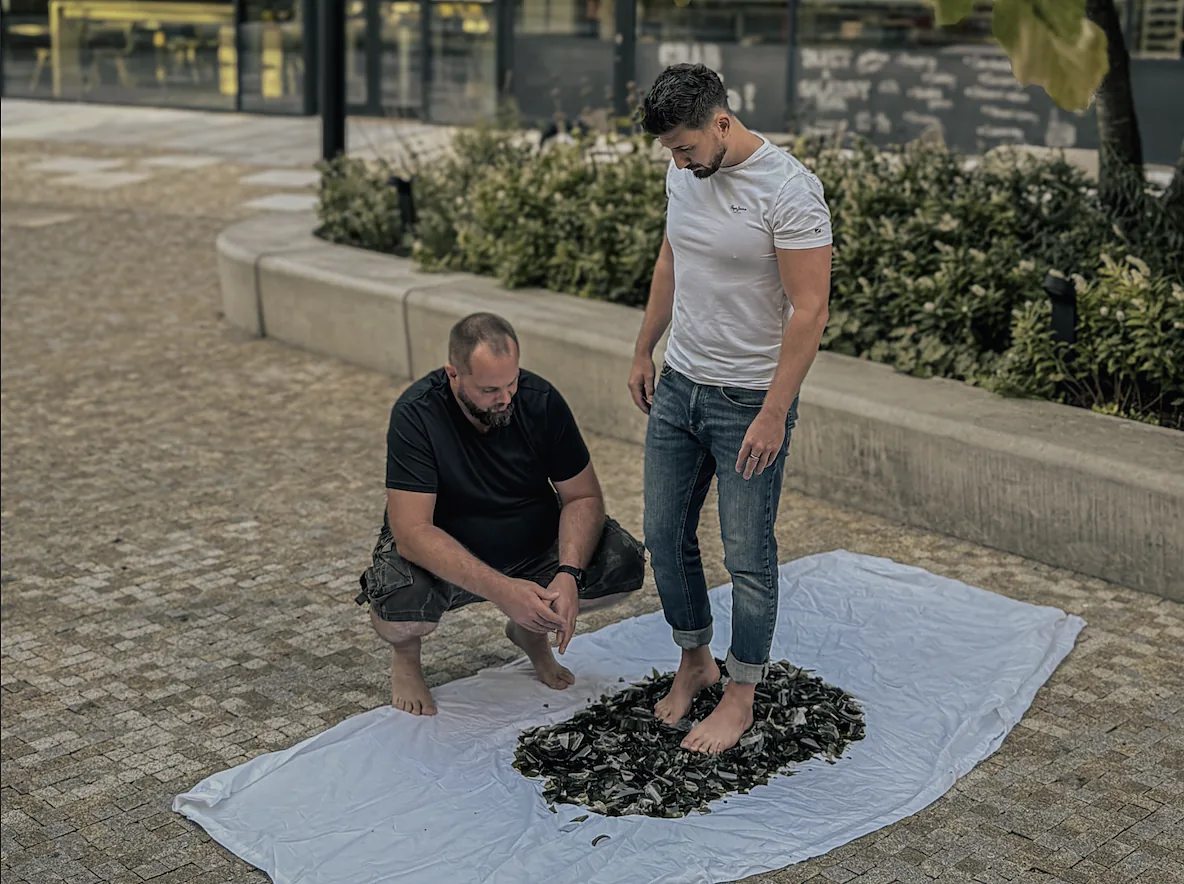
A coach next to a participant standing barefoot on broken glass

1:1 training (coaching)

For specialists and leaders in a demanding phase.

A new role, pressure to perform, a difficult conversation or looking for the next direction. We work on the concrete situations the person is facing right now.

  • An easier start in a new role or project.
  • Confidence communicating with colleagues, managers and clients.
  • A sustainable pace instead of burnout.

OutcomeConfidence in handling the job and a clear direction for further growth.
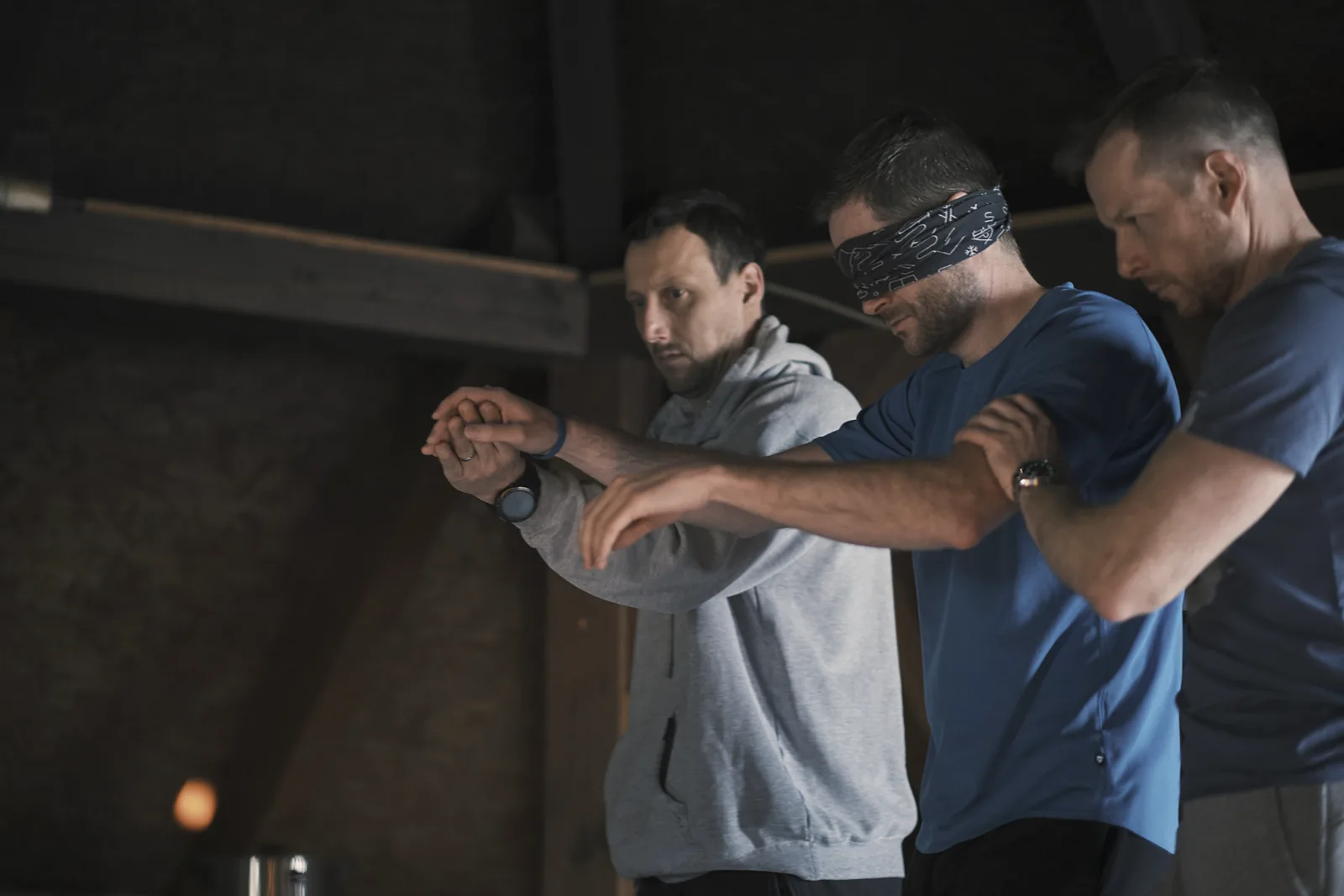
Trust exercise: a blindfolded participant guided by two colleagues

Team training and simulations

Simulations of situations the team really goes through.

An incident, a deadline, disagreement over a design. We train them in simulations tailored to your team, not generic games.

  • A conflict resolved in 10 minutes, not 10 days.
  • Performance holds under pressure and through change.
  • A sustainable pace instead of recurring crises.

OutcomeThe team collaborates more effectively and performs steadily over time.

What you take into practice

  • An incident routinewhat to do in the first two minutes, how to split roles and how not to panic.
  • Team focus agreementsmeeting-free blocks, batched Slack, clear availability rules.
  • Lines for “I can't make it” and “I disagree”concrete wording that works under pressure.
  • Before and after measurementa short focus and pressure survey, so the shift shows in numbers.
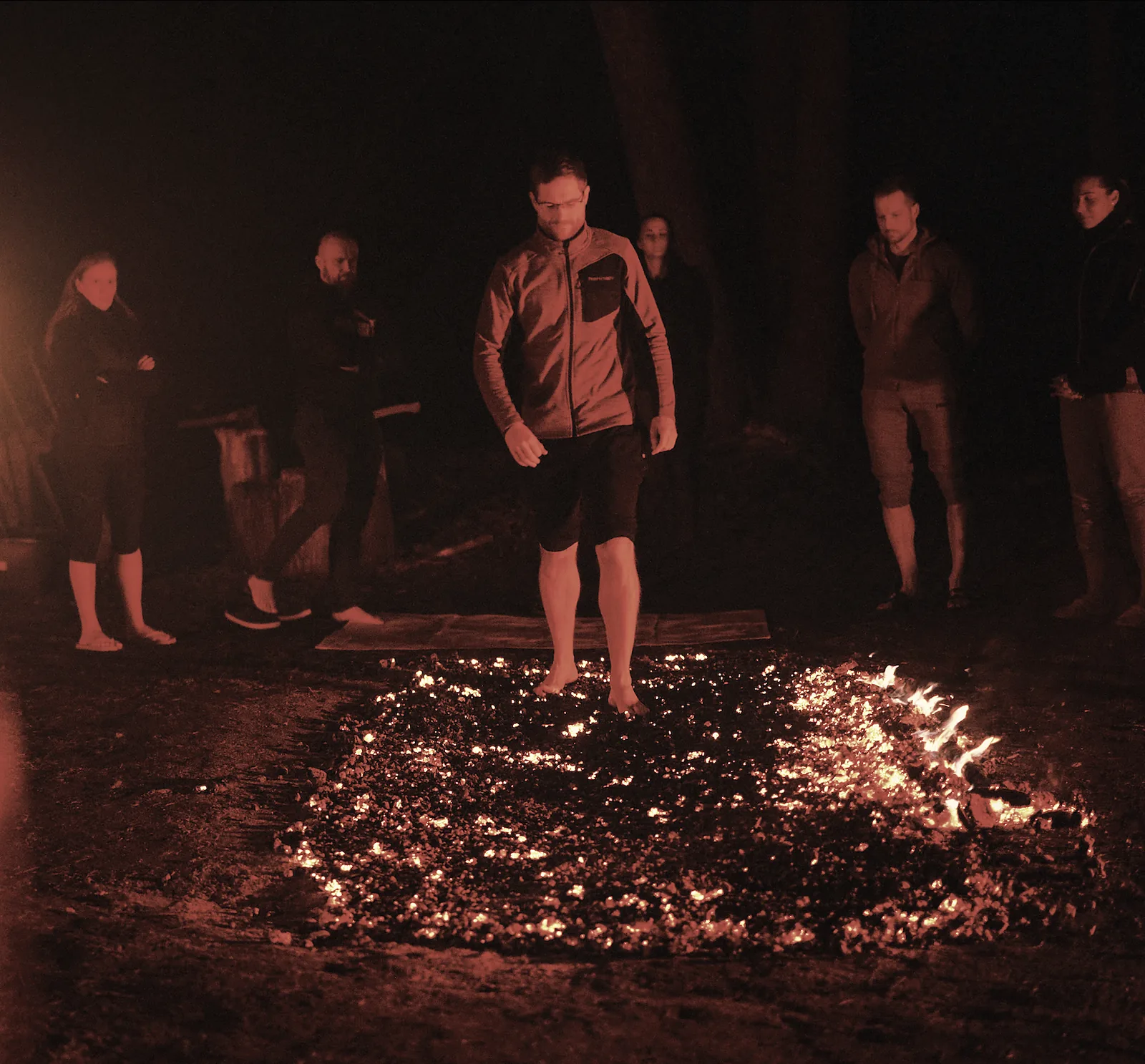
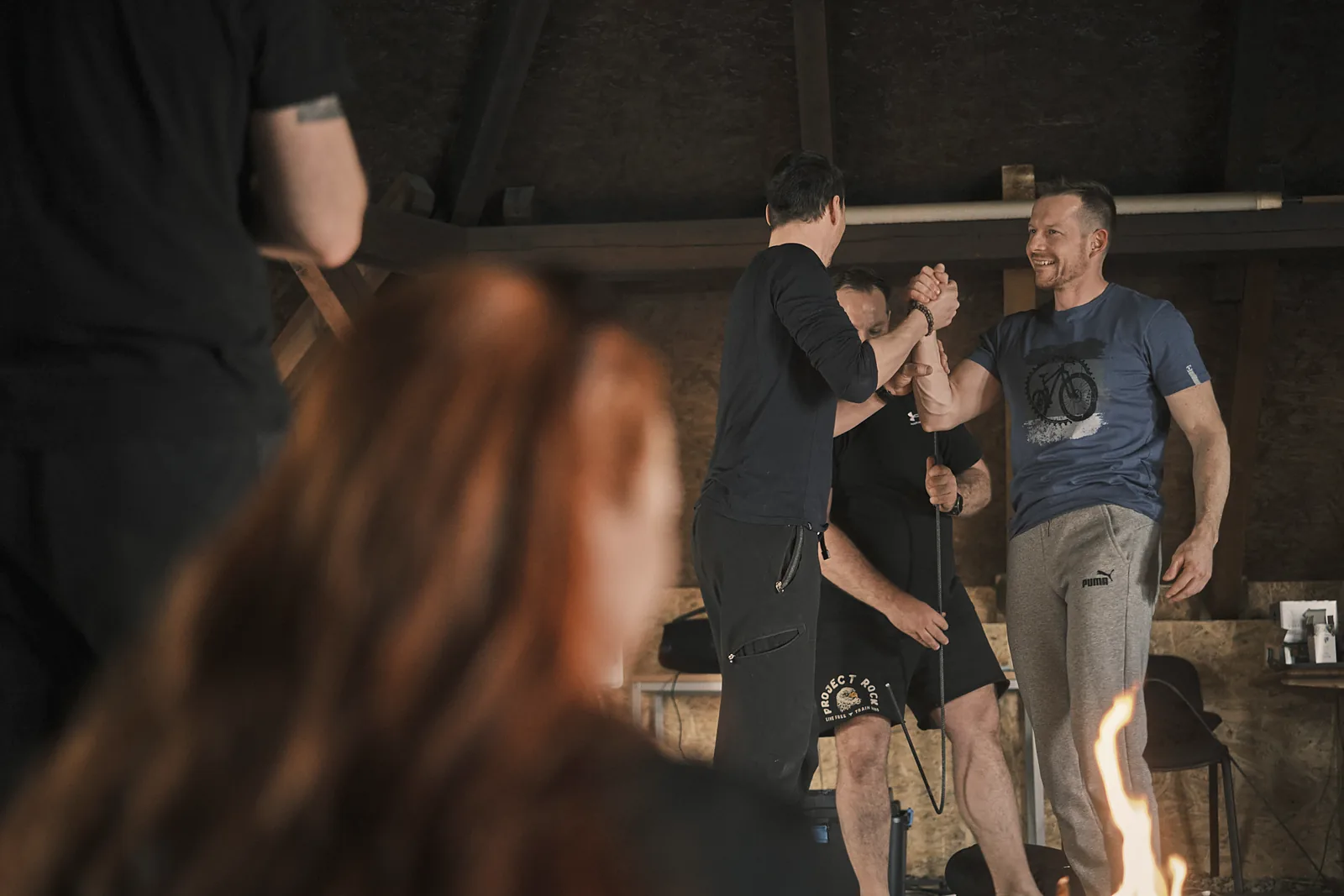
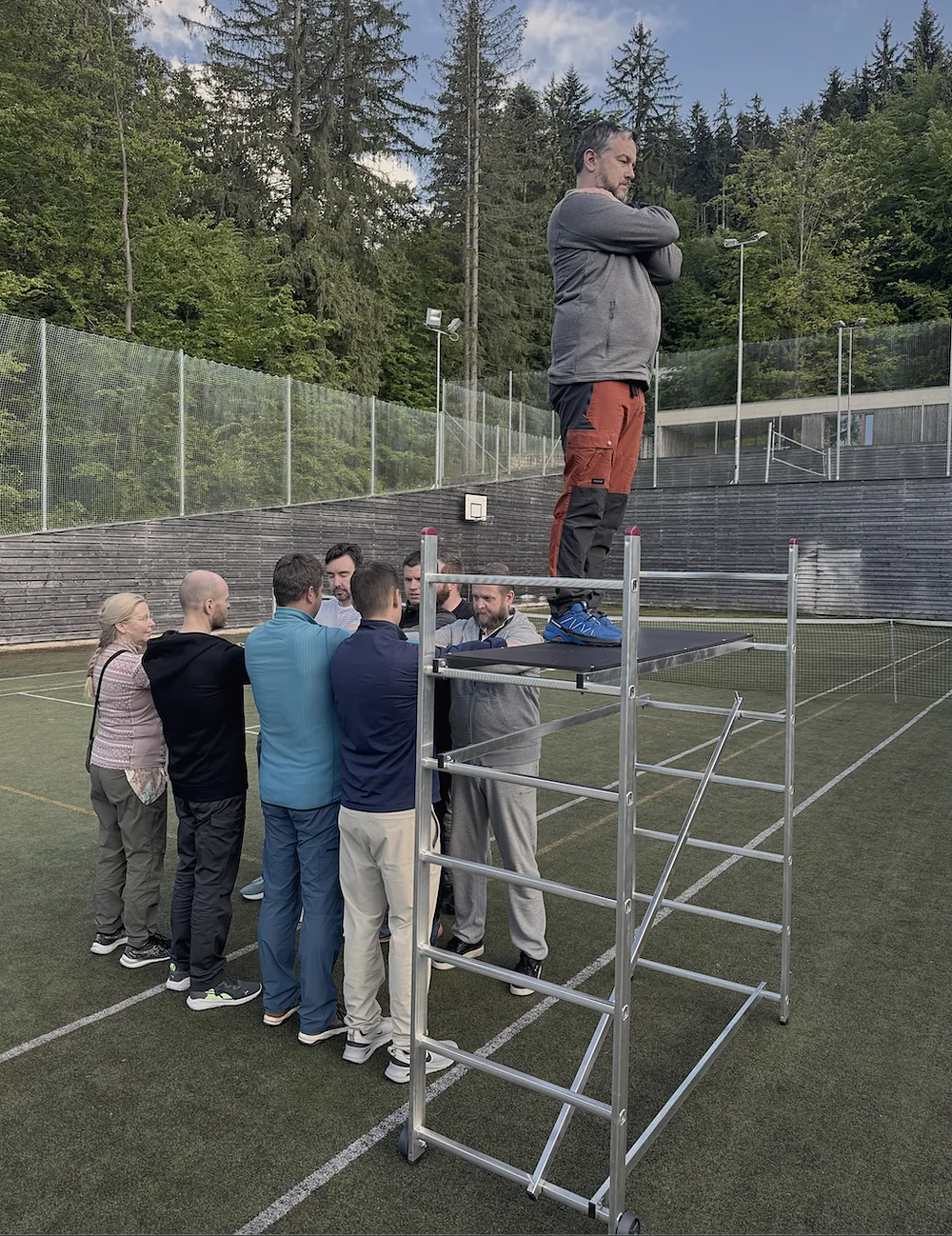
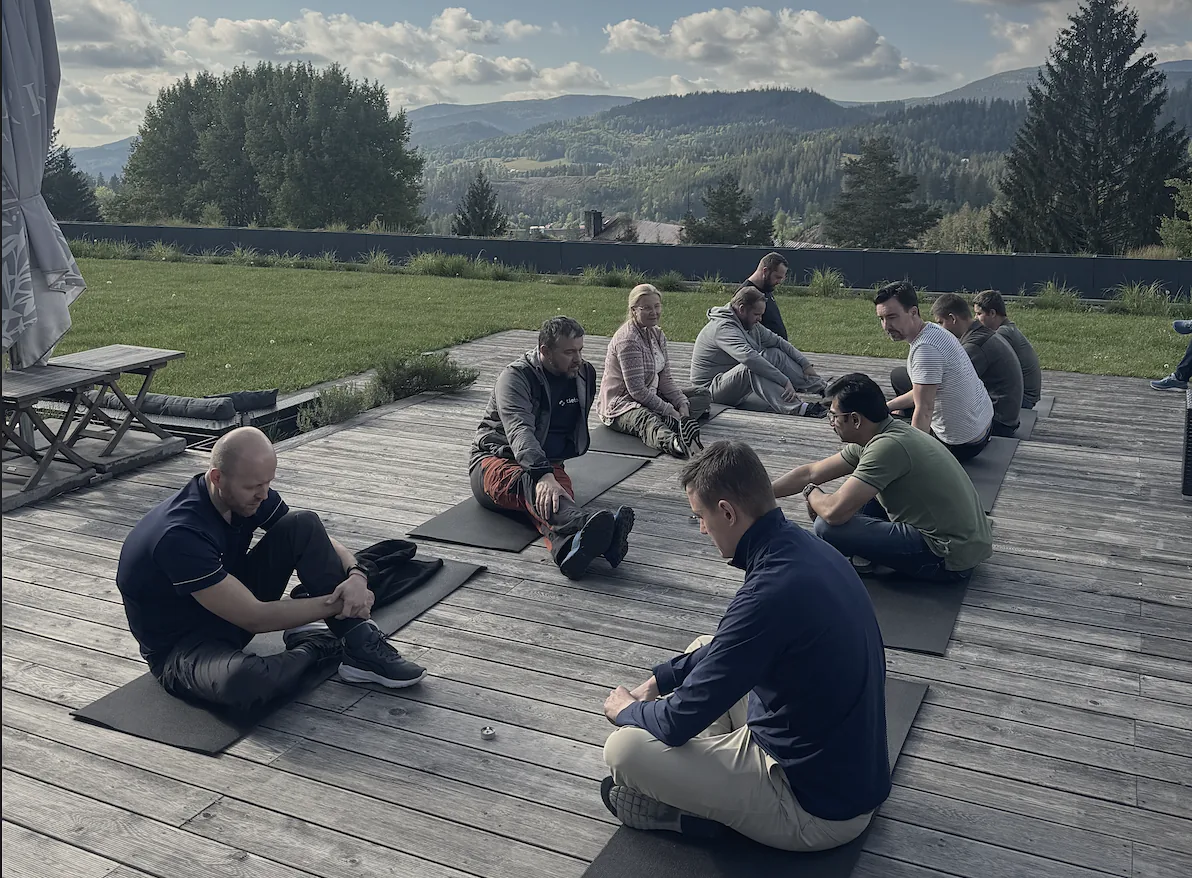
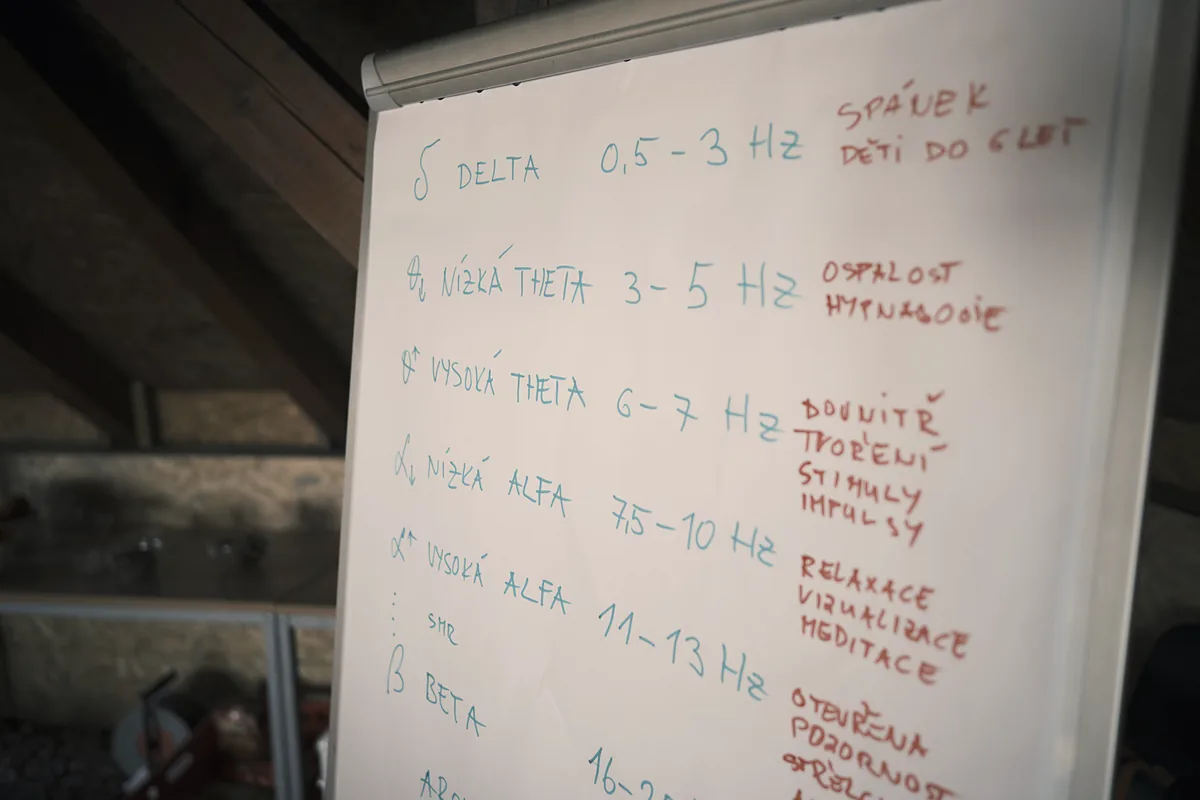
A participant walks barefoot over glowing coals while others watchParticipants high-five after an exerciseA participant up on scaffolding, secured by the team belowA group training outdoors on a terraceA whiteboard listing brainwave frequencies and the states they match
From our trainingsGlowing coals, broken glass, heights, trust exercises, plus an explanation of what happens in the brain meanwhile. It isn't a show: people prove to themselves that they can handle pressure, then use the same routine for a deadline or an incident.
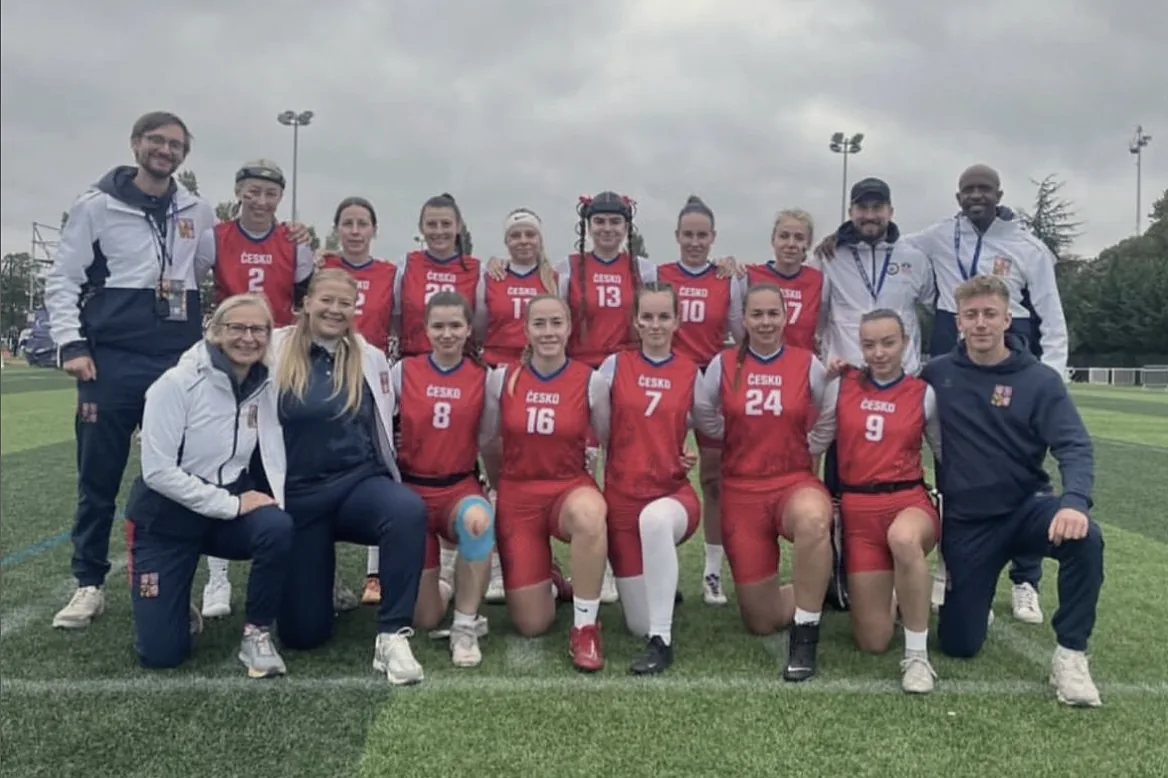
Players and staff of the Czech women's national flag football team on the pitch
From sportCzech women's national flag football teamMichal Hodulík led the team's mental preparation. The same principles athletes use to handle match pressure are what we bring to IT teams: keeping focus and performing when it matters.

How it works

From mapping to everyday habits.

  1. 01

    Mapping

    A short conversation with you and people from the team. What holds performance back, where the pressure is, what already works.

  2. 02

    Design

    A tailored format: 1:1 training, team simulations or a combination. Situations from your reality, not a textbook.

  3. 03

    Training

    Simulations, model situations and reflection. People try new approaches, not just hear about them.

  4. 04

    Into practice

    A concrete plan, habits and follow-up. After a while we check what has really changed in the team.

Did you know…

The data is clear.

Investing in people's minds demonstrably pays off.

53 %

of people in IT experience stress and mental exhaustion

Yerbo, State of Burnout in Tech, 2022
71 %

of leaders report significantly higher stress since stepping into their role

DDI, Global Leadership Forecast, 2025
75 %

of C-suite executives are seriously considering quitting for a job that better supports their well-being

Deloitte, Well-being at Work Survey, 2023

Why coachit

We're not trainers. We're partners in change.

  1. 01

    We understand the IT world and speak its language

    Just as a developer hunts bugs in code, we look for the patterns that hold performance back. We don't try to “turn developers into extroverts”. We start from how tech people think, work and react under pressure.

  2. 02

    We work with what really holds performance back

    Team performance isn't only about processes and technology, but about how people handle stress, change and collaboration. We draw on performance psychology and mental coaching, the same principles athletes work with. We train resilience, communication, focus and decision making.

  3. 03

    Measurable impact, not just inspiration

    People leave with a concrete plan, habits and tools that have an immediate effect: in the team, in meetings and in their own heads.

Ready to move your team forward?

Get in touch and we'll arrange a no-obligation consultation to discuss what holds you or your team back and which format makes sense.

We'll only use your details to reply. Privacy policy